The Nature of Luck in Gambling
Luck is often considered the backbone of casino gambling, creating a sense of unpredictability that keeps players engaged. At its core, luck refers to the chance occurrences that dictate the outcome of various games, from the spin of a roulette wheel to the flip of a card. Unlike skill-based games where player decisions can influence outcomes, luck-based games are purely dependent on random events. This randomness is what draws many to casinos, as it injects excitement and a thrilling sense of possibility into the gambling experience, especially at places like 1win where various options await eager players.
Moreover, the element of luck taps into the psychological aspects of gambling. When players win, regardless of skill, they often attribute their fortune to luck, fostering a sense of joy and satisfaction. This is further emphasized by the common phrases that circulate among gamblers, such as “lucky streak” or “lady luck.” These terms encapsulate a deeply-held belief that luck can be a powerful force, significantly impacting their gambling adventures and outcomes.
However, it’s essential to recognize that luck is not uniform. Some players may have a run of good fortune, while others experience a string of losses. This inconsistency can lead to emotional highs and lows, making the gambling experience both exhilarating and disheartening. Ultimately, the unpredictability of luck keeps players coming back, hoping that their next game will be the one where fortune favors them.
The Role of Probability in Casino Games
While luck plays a crucial role in gambling, it exists alongside the concept of probability. Each game in a casino is designed with specific odds that indicate the likelihood of winning. For instance, slot machines are programmed with a random number generator to ensure that outcomes are unpredictable, but they also have a return-to-player ratio that gives insight into probable payouts over time. Understanding these probabilities is vital for gamblers, as it helps them make informed decisions when placing bets.
Players often overlook the importance of probability, focusing instead on the immediate thrill of potential victory. This oversight can lead to unrealistic expectations about their chances of winning, as emotions can cloud judgment. For example, someone who has just won a significant amount may feel invincible, believing that their luck will continue. However, experienced gamblers know that over time, the house edge ensures a profit for the casino, leaving little room for personal luck to alter the course of outcomes substantially.

Ultimately, players who grasp the intricacies of probability can enhance their gambling experience. They are better equipped to understand that luck is merely one aspect of a broader equation that includes skill, strategy, and knowledge of game mechanics. Recognizing this interplay gives players a more holistic view of gambling, enabling them to enjoy their time in casinos while remaining realistic about their chances of success.
The Psychology Behind Believing in Luck
Believing in luck can significantly affect a gambler’s behavior and decision-making. Many players develop personal rituals or superstitions in hopes of attracting good fortune. This belief system can manifest through using particular items, wearing “lucky” clothing, or avoiding certain numbers. These behaviors stem from a psychological phenomenon known as the “illusion of control,” where individuals believe they can influence random outcomes through their actions.
This psychological attachment to luck can create a compelling narrative for gamblers, further heightening their engagement in games. Players often recall past instances of significant wins, allowing them to build a narrative that supports their belief in luck’s influence. Consequently, they may continue to gamble, hoping to recreate that moment of triumph. This aspect of the psychology of gambling highlights a significant factor in human behavior: the ability to find meaning in randomness, even when statistics and probabilities suggest otherwise.
On the flip side, this reliance on luck can lead to detrimental consequences. Gamblers may become overly optimistic, disregarding the experienced-based strategies that could strengthen their gameplay. This mentality can foster a cycle of chasing losses, where players continue to gamble despite experiencing setbacks, convinced that their luck will eventually change. Ultimately, understanding the psychological impact of luck can help players maintain a balanced approach to gambling, allowing them to enjoy the experience while mitigating potential risks.
Strategies to Manage Luck in Gambling
While luck is an undeniable component of casino gambling, players can adopt strategies to manage their experiences better. Setting limits on time and money can create a framework within which players can gamble responsibly. By establishing these boundaries, individuals can prevent themselves from falling into detrimental patterns driven by the quest for luck. This approach encourages players to view gambling as entertainment rather than a guaranteed path to riches.
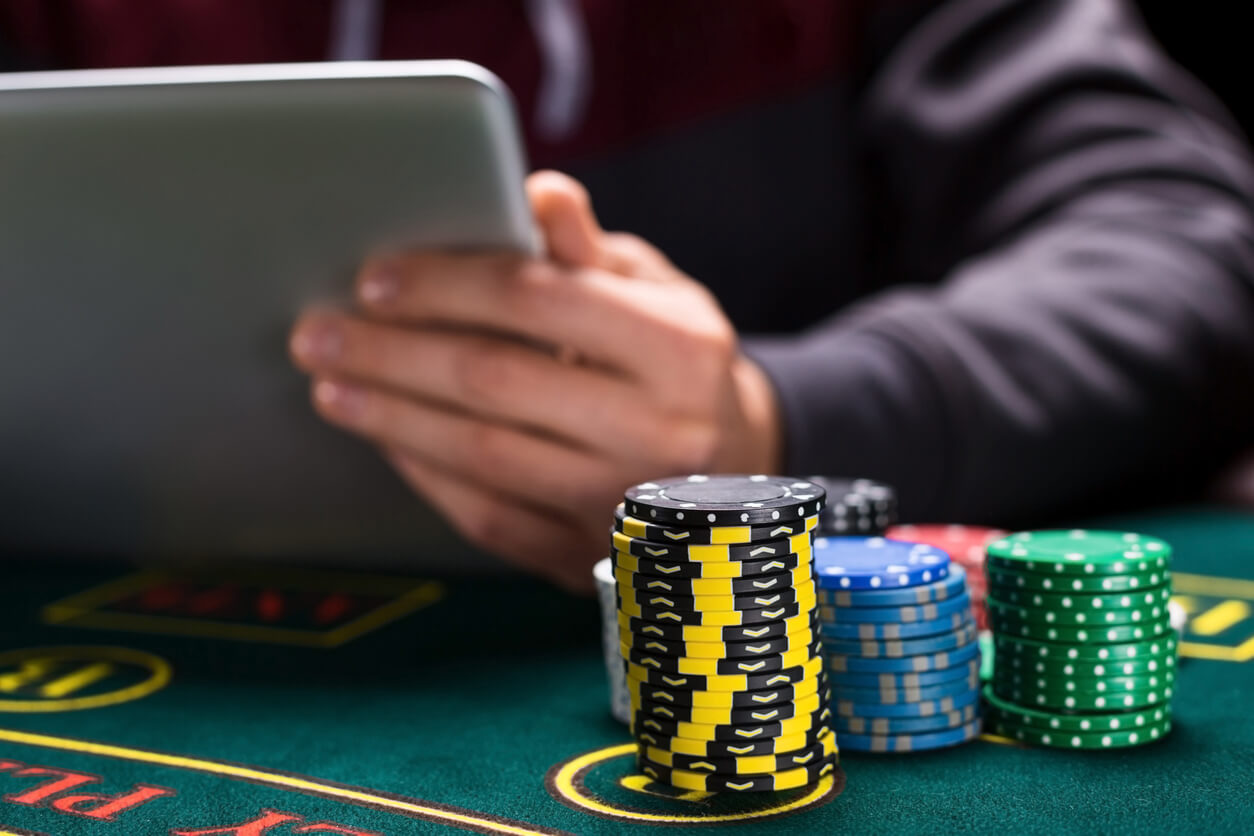
Additionally, players can enhance their game knowledge and improve their chances of winning by focusing on strategy-driven games. By investing time in understanding the mechanics of various games such as poker or blackjack, players can make more informed decisions that may mitigate the effects of luck. While they cannot control the outcomes entirely, adopting a strategic mindset allows them to navigate the randomness inherent in gambling more effectively.
Lastly, practicing mindfulness can significantly help players manage their perceptions of luck during gameplay. By focusing on the present moment and accepting the inherent uncertainty of outcomes, gamblers can reduce anxiety and enhance their overall experience. This mindset can lead to a healthier relationship with gambling, where luck serves as an exciting element rather than the sole determinant of success.
Understanding Our Website’s Commitment to Responsible Gambling
Our website is dedicated to promoting responsible gambling practices, recognizing that while luck plays a vital role in casino experiences, understanding and managing it is crucial. We aim to provide valuable resources and information to help players make informed choices about their gambling habits. By emphasizing education, we hope to empower individuals to engage with the thrilling world of gambling while maintaining a healthy perspective on luck and its implications.
We believe that responsible gambling goes hand in hand with the enjoyment of games. Our mission is to create a safe community where players can learn about the odds, strategies, and the psychology behind gambling. This approach fosters a culture of awareness, enabling users to appreciate the entertainment aspect of casinos without falling prey to the pitfalls of excessive gambling driven by the allure of luck.
Through our commitment to supporting informed and responsible gambling, we strive to encourage a balanced approach that appreciates the role of luck while acknowledging the importance of knowledge and mindfulness. Whether you’re a novice or a seasoned player, our resources are designed to enhance your experience and ensure that your time spent gaming is both fun and responsible.